When I first came to Japan, I brought my own ideas about tableware with me.
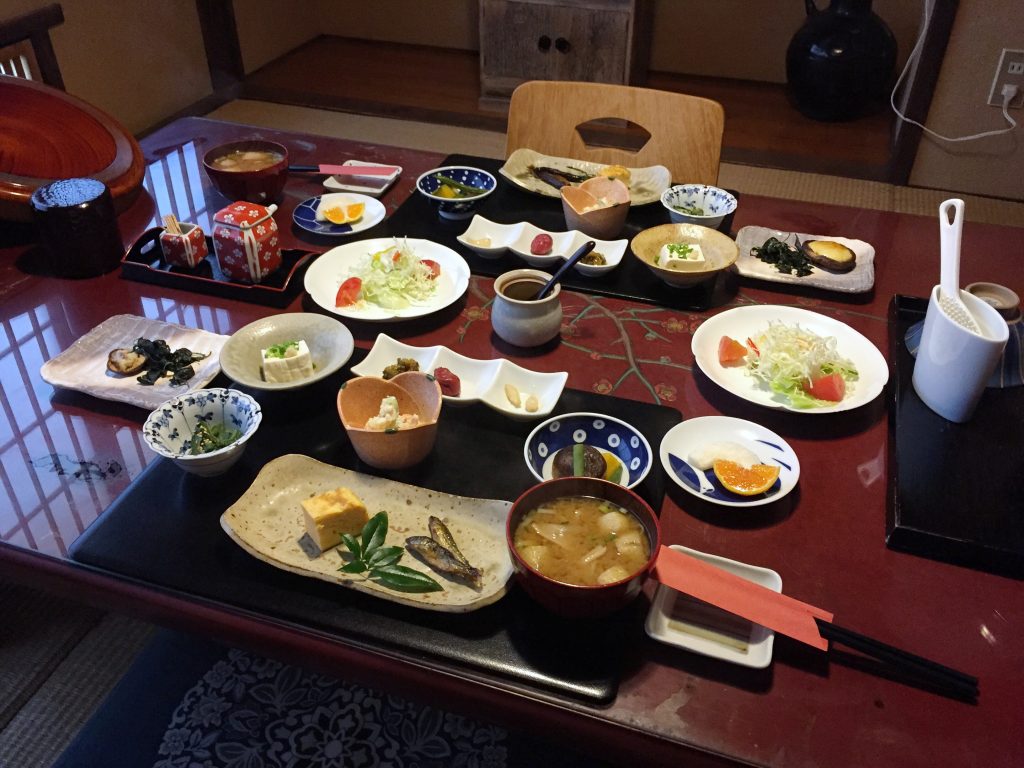
I had grown up with matching sets of plates and cutlery — things arranged neatly, preferably identical, especially on special occasions. In Japan, I slowly began to notice something different. Bowls, plates and cups did not necessarily match. Handmade pieces with different colours, textures and forms were placed together, chosen in relation to the food, the season and the moment.
At first I did not quite understand it. I even tried to keep the matching plates together in our own cupboard.
Gradually, something shifted.
A dish is not separate from what is served on it. Colour, texture and season can change the way food is seen and experienced. What I might once have regarded as an imperfection could become part of what gives an object its presence.
In the hand
When I began learning ceramics from my Japanese teachers, I became aware of another layer.
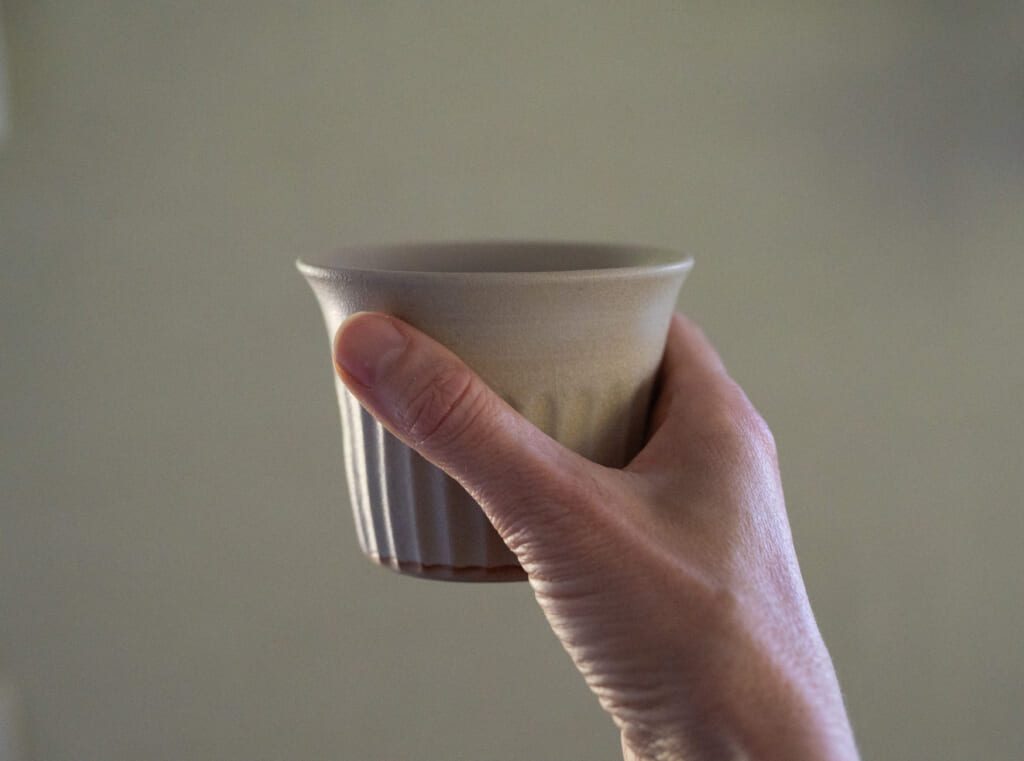
Functional ceramics are experienced with the body.
A bowl should feel right in the hand. A cup meets the mouth. Its weight matters. A teapot must pour without dripping. The inside colour of a pot can even affect how clearly the colour of the tea can be seen.
There is an intimacy to this that I had not considered before.
A tea bowl has a front and a back. A cup has a mouth. The relationship between object and person is not purely visual. It is tactile, physical, and perhaps even a little sensual.
That way of thinking about ceramics has stayed with me.
Travelling through porcelain country
Years ago, we travelled through Kyushu, where some of Japan’s most significant porcelain traditions developed.
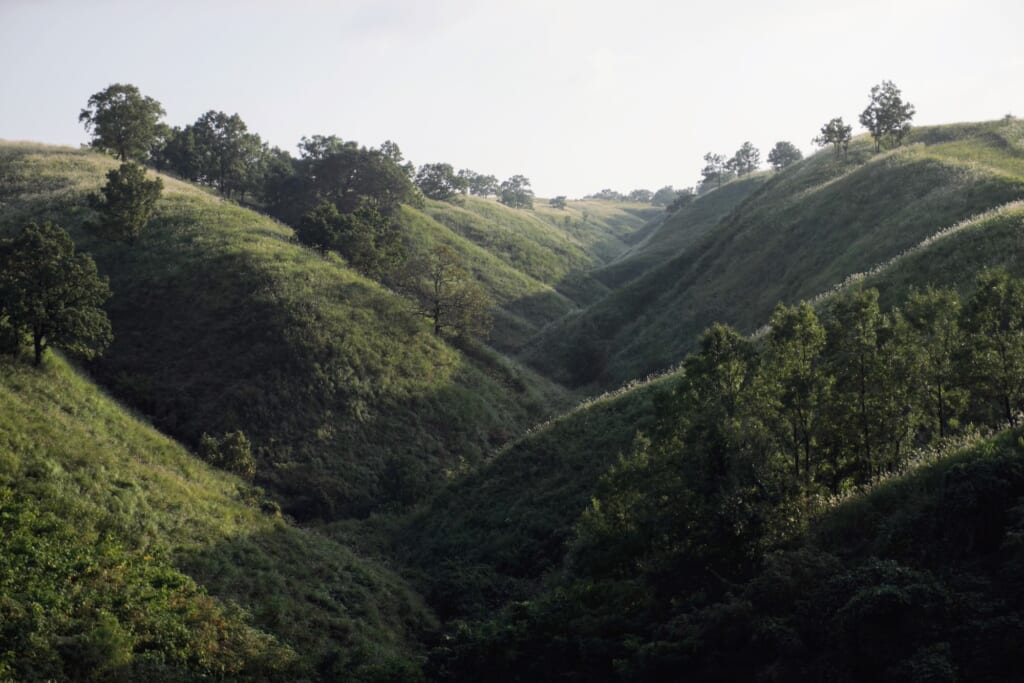
The journey itself remains strongly in my memory: rice fields, green valleys, persimmon trees, figs and citrus, flowing mountain water, and ginkgo leaves beginning to turn yellow with autumn.
Ceramics never seemed entirely separate from this landscape.
We travelled through Hasami, Okawachiyama and Arita — places where porcelain production developed in very different ways, from everyday tableware to highly exclusive objects made for powerful families.
Hasami
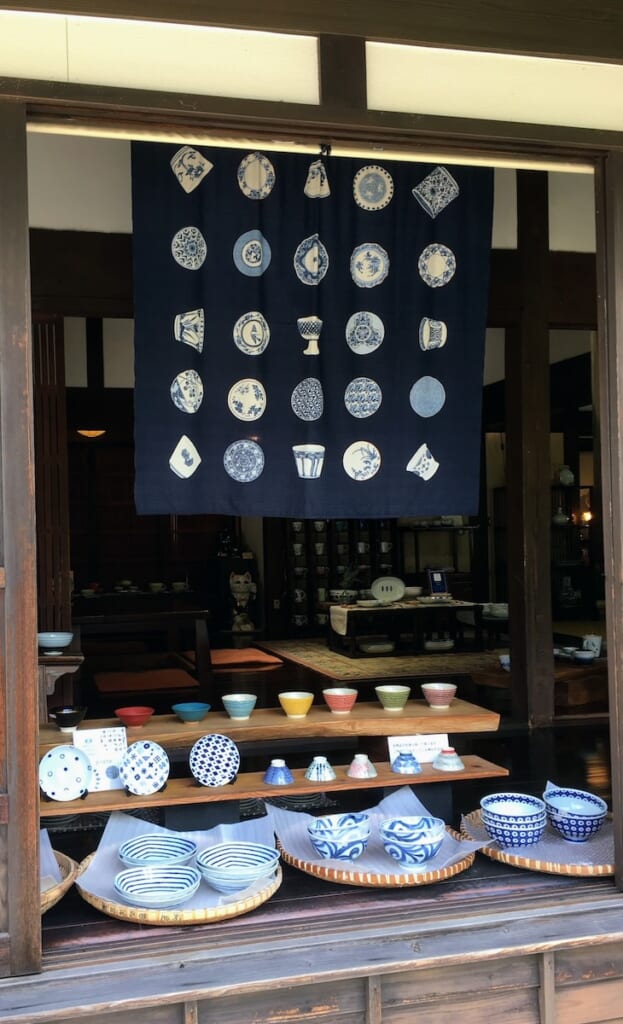
Hasami has a long history of producing porcelain for everyday use. What interested me was the coexistence of tradition and contemporary design.
Centuries-old ceramic knowledge continues, while designers and workshops reinterpret forms for present-day life. Production methods have changed, but local material and specialist knowledge remain part of the process.
That relationship between repetition, function and renewal still interests me.
Okawachiyama
Nearby, hidden between mountains, lies Okawachiyama.
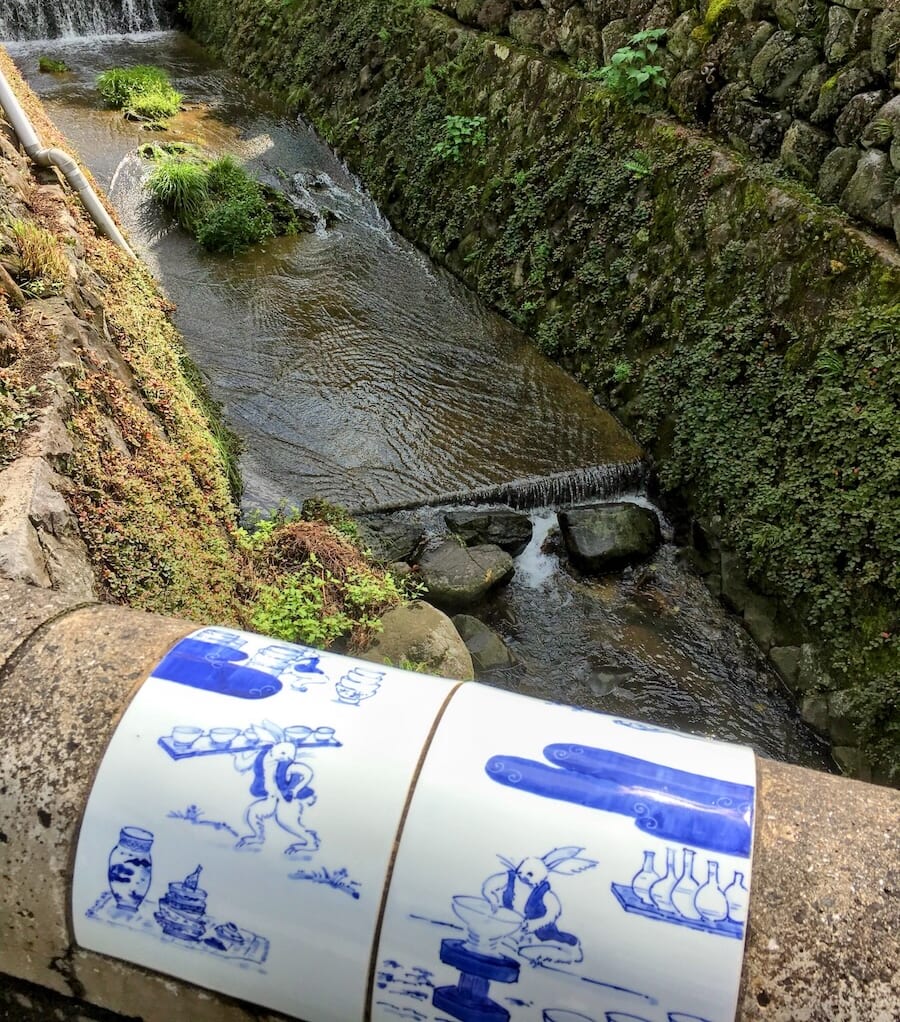
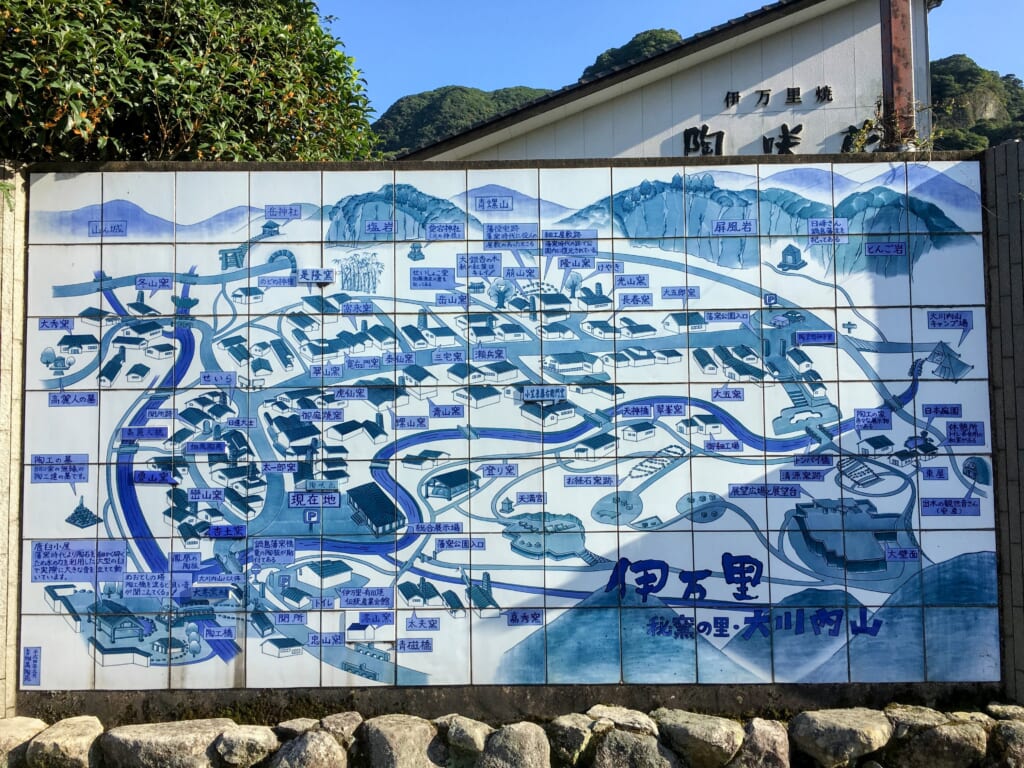
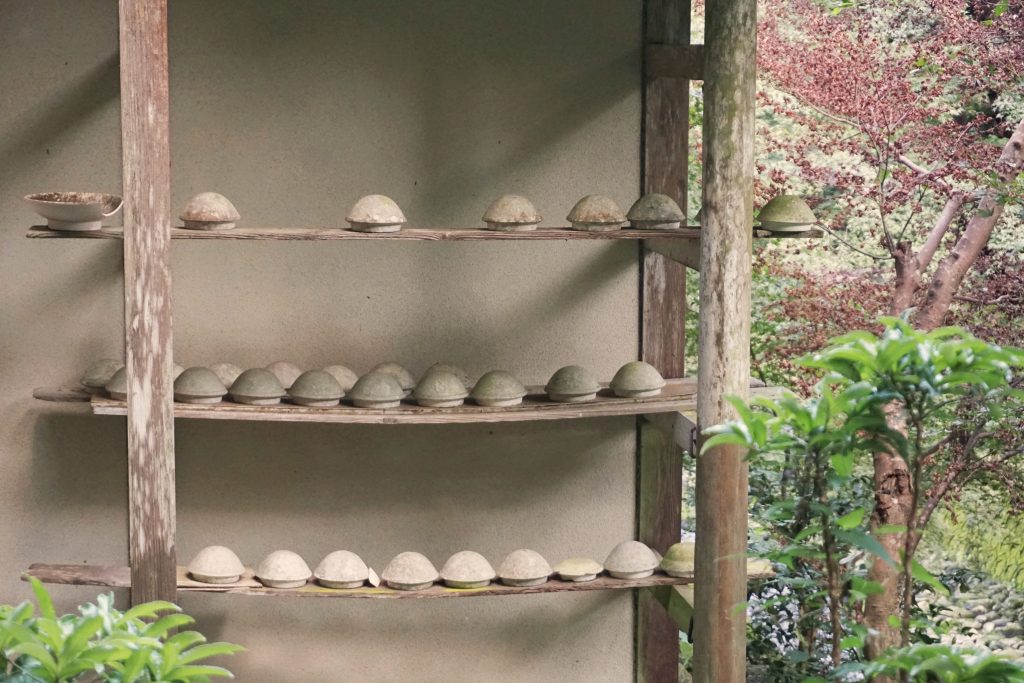
Historically, high-quality Nabeshima porcelain was produced there under tightly controlled conditions. Walking through the village years later, something of that enclosed atmosphere still seemed present: ceramic panels in old walls, workshops appearing between greenery, sliding doors concealing rooms filled with porcelain, and the sound of a stream moving through an otherwise quiet place.
What stayed with me was not only the porcelain itself, but the atmosphere surrounding its making.
Arita
Arita carries another history — one deeply connected with porcelain, international exchange and the Netherlands.
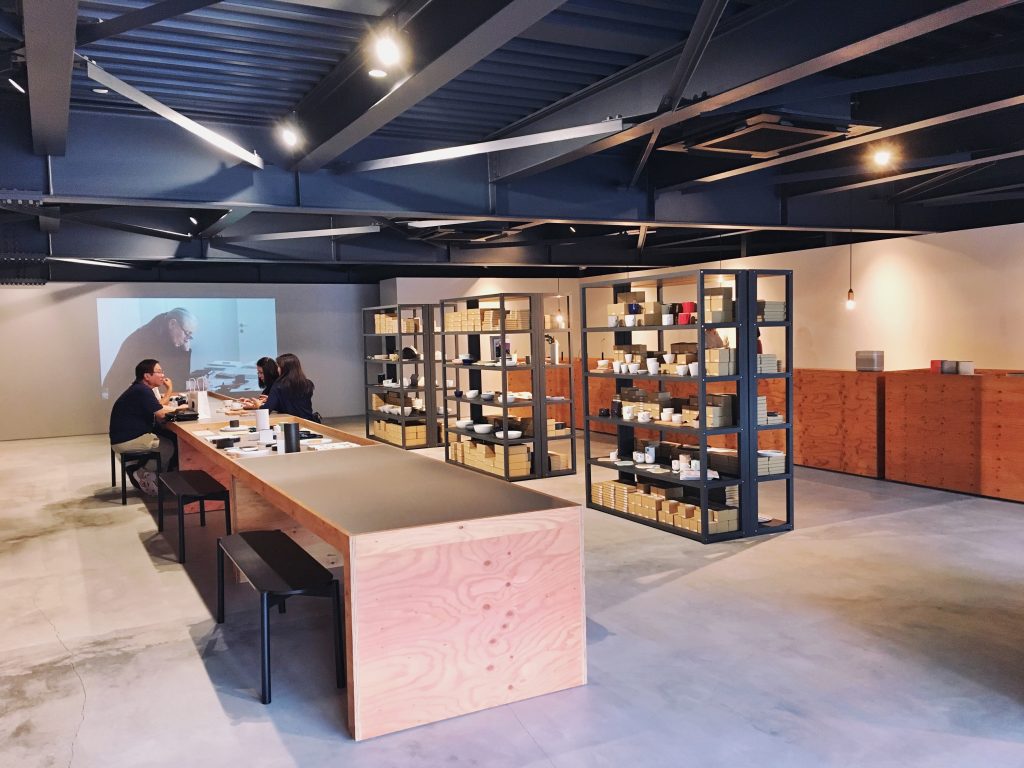
During our visit, I was interested in how contemporary collaborations were bringing international designers together with established Arita workshops. Traditional knowledge was not being treated simply as something to preserve unchanged; it was being used as a foundation from which something new could emerge.
That idea has remained important to me: tradition does not necessarily have to remain still in order to continue.
Onta — Material, Water and Rhythm
One of the places that affected me most was Onta.
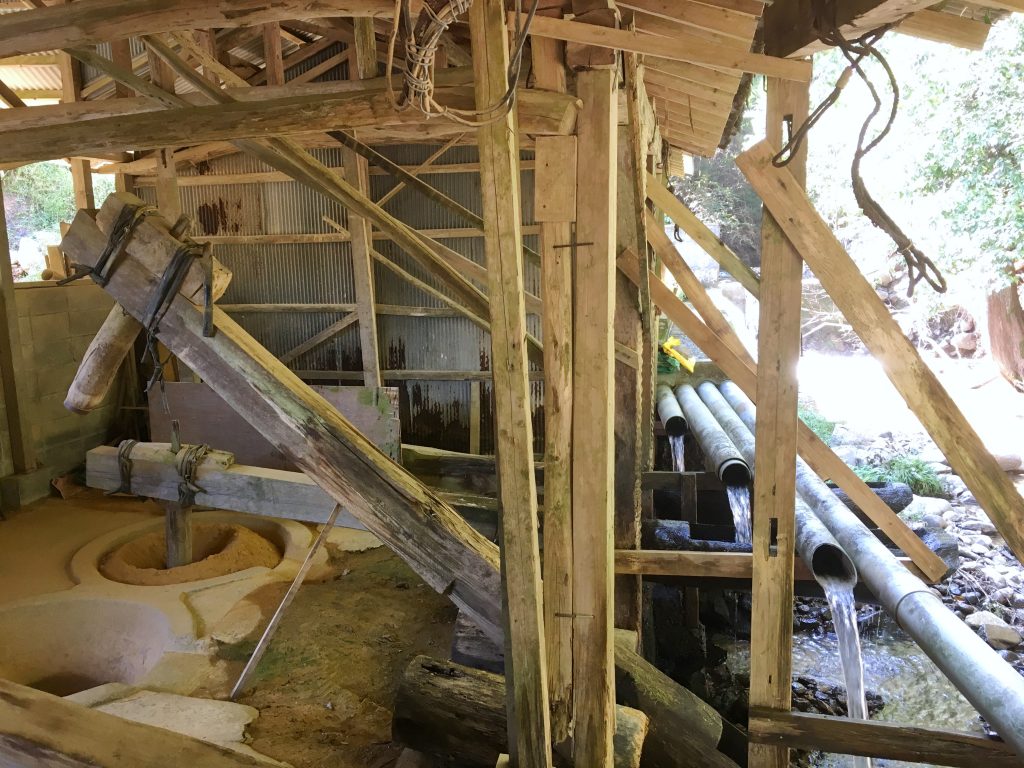
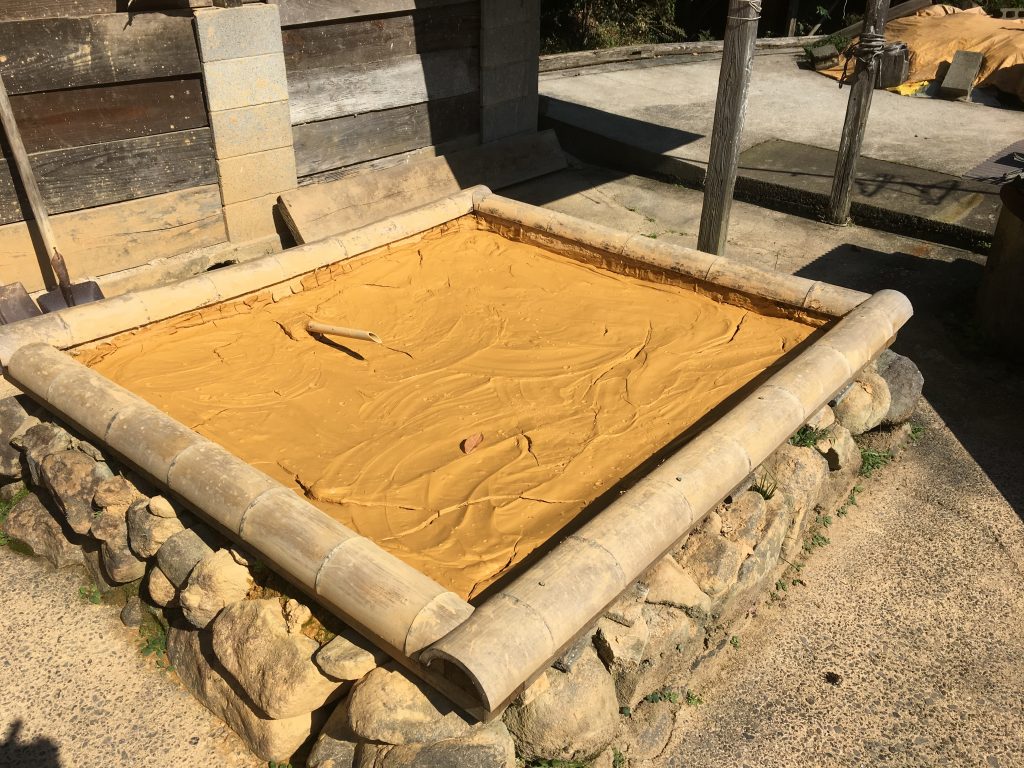
The village consists of a small community of pottery families who have continued to work with methods passed down through generations. The clay begins with stone from the surrounding mountains. Water-powered wooden kara-usu pound the material, their repetitive sound travelling through the valley.
Water, stone, wood, clay, hands, fire.
The entire process seemed inseparable from its surroundings.
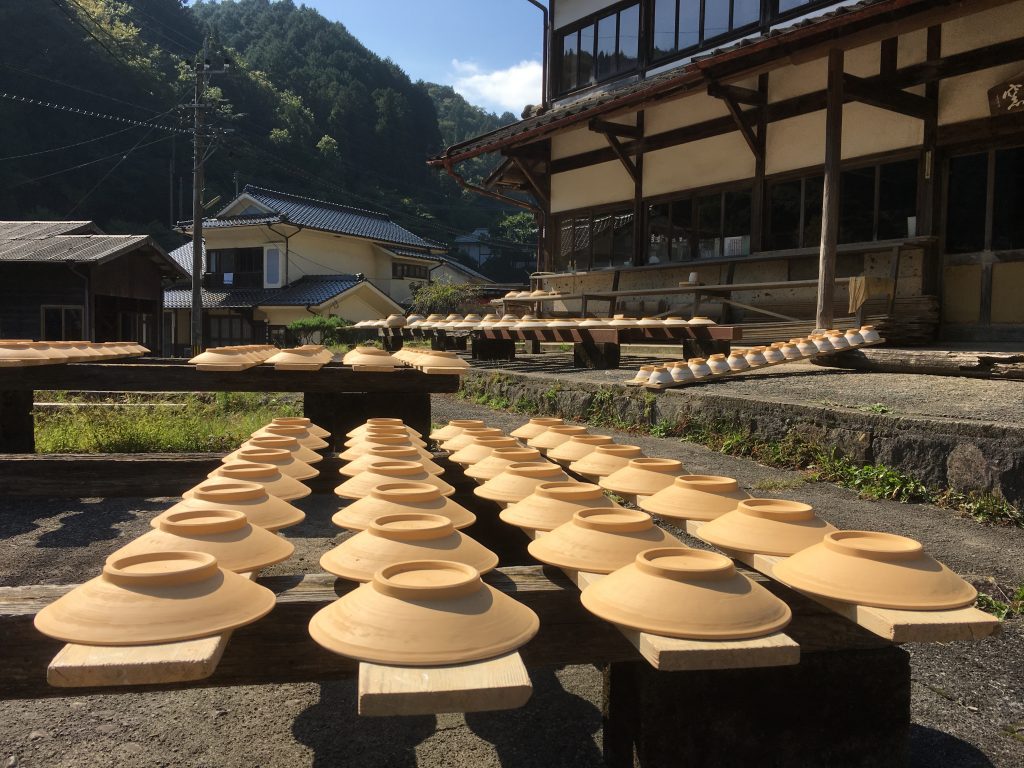
The tools are simple. Decoration is made with brushes, fingers and handmade implements. Kilns are fired collectively. Traditionally, individual makers are not foregrounded in the same way we might expect; the identity of Onta itself carries greater importance.
Looking back, I think this interested me for reasons I did not fully understand at the time.
Looking Back
I originally wrote about this journey years ago, when I was still learning how differently ceramics could be understood in Japan.
Some things that caught my attention then — the relationship between an object and the hand, material and landscape, tradition and change — have continued to return in the way I think about and approach making.
Perhaps that is one of the things I value most about making and travelling: we do not always know which impressions will remain with us.
Sometimes they return much later, in another form.
Explore my current work →
Explore Research →