
In Japan, I gradually came to experience tea as something closely connected to attention, season and small gestures.
In Chado, the Japanese way of tea, I began to notice how much care can be given to things that are easily overlooked: how an object is placed, how a bowl is held, how water is poured, a flower chosen, or the room prepared for a particular season.
At first I mostly noticed the ritual. Over time, I became more interested in the attention behind it.
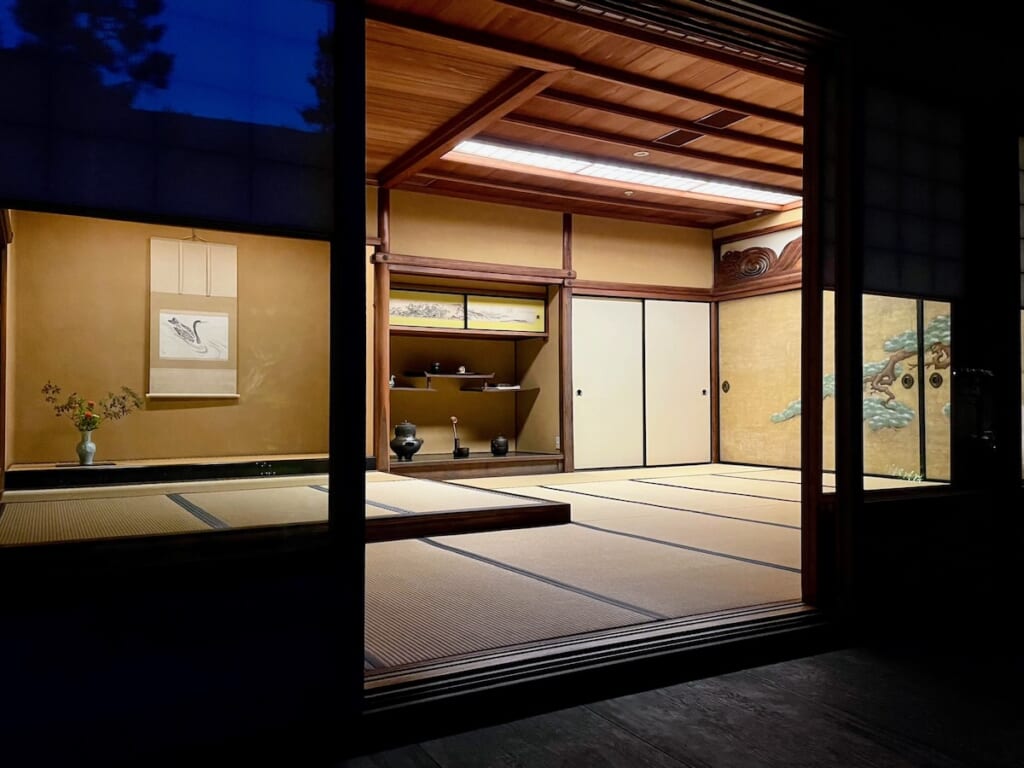
A room made for attention
The tea room has its own quietness.
Tatami, wood, paper, light, a hanging scroll, flowers and utensils all contribute to the room, but none of them needs to dominate it.
I like how little can be enough. A single flower, a bowl, the sound of water or a change in light can alter the feeling of the space.
Nature and season
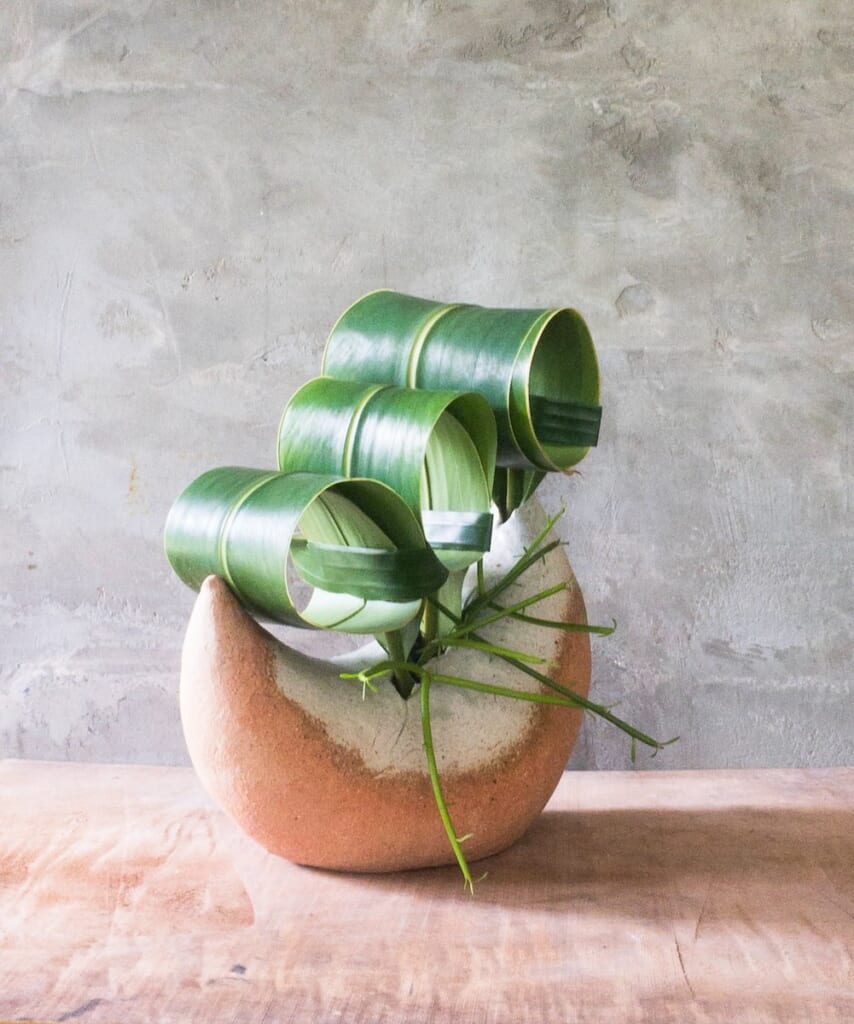
Chado is closely connected to season and nature. Flowers bring something of the outside world into the room, while the utensils, sweets, colours and materials may change with the time of year.
I am drawn to that sensitivity. An object is never completely separate from where it is, how it is used, or the moment in which it appears.
The chawan and the hand
A tea bowl is experienced with more than the eyes.
It is lifted, turned, held between the hands and brought to the mouth. Weight, texture, temperature and the shape of the rim all matter.
The bowl is not simply something that contains tea. The way it feels and moves in the hand becomes part of drinking from it.
This is something I have become increasingly attentive to in my own functional work.
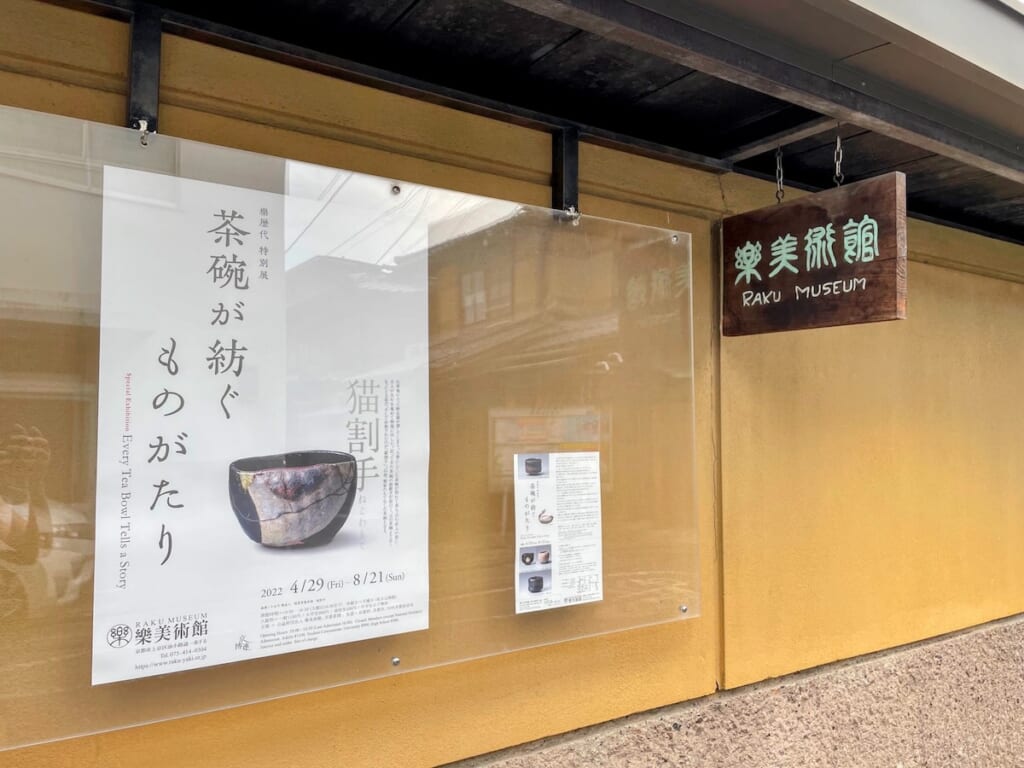
Raku and tea
At the Raku Museum in Kyoto, I came across postcards showing chawan made by different generations of the Raku family. One bowl stayed with me more than the others. Only later did I realise how well known it was.
What attracts me to Raku ware is its earthiness. The bowls are built by hand with great precision, but the process does not try to control everything. Material and firing are still allowed to have a say.
I find that difficult and fascinating: to work with great care while still leaving room for what cannot be fully controlled. Some Raku chawan seem almost to return to stone — rough, elemental, and still meant to be held and drunk from.
Sweetness, pause and rhythm
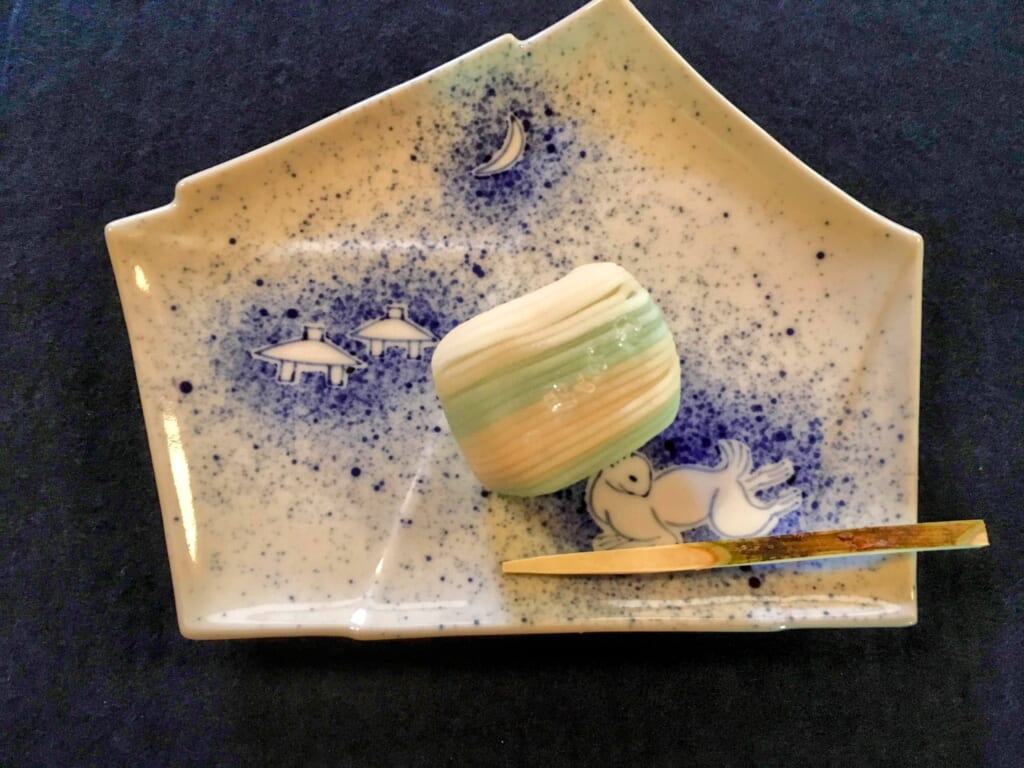
Tea is often accompanied by something sweet before the matcha.
The sweets can reflect the season in colour, shape or motif. I like how much thought can be concentrated in something.
Looking back
What continues to draw me to Chado is how much there still is that I do not understand.
It can be studied for a lifetime, and that seems completely natural to me. The repeated gestures, the attention to season and nature, and the care given to very small things all seem to deepen rather than become exhausted through repetition.
That uncertainty about Chado makes me more curious. It keeps opening questions rather than closing them, and that is what makes me want to look further.
I now make chawan for matcha as well as smaller bowls for tea. I enjoy thinking about how they feel in the hand and how they become part of an ordinary tea moment.
Explore my current work →
Explore Process →